
In industries where measurements define quality, safety, and compliance, accuracy is not optional, it is essential. Every temperature reading, pressure value, electrical signal, or dimensional measurement must be trustworthy. This is where Test Equipment Calibration plays a critical role. Whether you operate in manufacturing, healthcare, laboratories, energy, aerospace, or automotive sectors, calibration ensures that your measuring instruments deliver results you can rely on.
Many professionals hear the term calibration frequently, yet the deeper meaning, standards involved, and long-term benefits are often misunderstood. This guide explains test equipment calibration in a clear, practical, and real-world way. You’ll learn what calibration actually means, why it matters, how the process works, which standards govern it, and how professional calibration services support accuracy, compliance, and operational confidence.
What Is Test Equipment Calibration?
At its core, Test Equipment Calibration is the process of verifying and adjusting a measuring instrument to ensure its readings align with a known and traceable standard. Over time, all equipment drifts. Components age, environmental conditions change, mechanical parts wear, and electronic signals shift. Even high-quality instruments slowly move away from their original accuracy.
Calibration identifies how far an instrument’s measurement has drifted and determines whether it still performs within acceptable limits. If necessary, the instrument is adjusted to bring it back into alignment with the reference standard. The outcome is documented evidence that the equipment measures accurately within a defined tolerance.
This process is not about fixing broken tools. It is about confirming reliability before errors impact production quality, regulatory compliance, or safety. In many regulated industries, calibrated equipment is a mandatory requirement, not a best practice.
Why Is Test Equipment Calibration So Important?
Accuracy is the foundation of every measurement-based decision. When instruments are not calibrated, errors go unnoticed and gradually compound. A slightly inaccurate thermometer can affect batch quality in manufacturing. A misreading pressure gauge can compromise safety systems. An uncalibrated electrical tester can lead to faulty diagnostics and costly downtime.
Test Equipment Calibration ensures consistency, repeatability, and confidence in results. It also protects businesses from compliance failures, rejected audits, customer disputes, and product recalls. When measurements are correct, processes run smoother, waste is reduced, and decision-making improves.
Beyond compliance, calibration builds trust. Customers, auditors, and regulatory bodies all expect proof that your measurements are accurate. Calibration certificates provide that proof and demonstrate your commitment to quality.
How Does Test Equipment Calibration Work in Practice?
The Test Equipment Calibration process follows a structured and traceable methodology. While specific steps vary depending on instrument type, industry, and required accuracy, the underlying approach remains consistent.
The process begins by identifying the instrument’s specifications. This includes its measurement range, accuracy tolerance, manufacturer requirements, and application use. The instrument is then compared against a reference standard that is significantly more accurate. This reference is itself calibrated and traceable to national or international measurement standards.
Measurements are taken at multiple points across the instrument’s operating range. These readings are compared to the reference values to determine deviation. If deviations exceed acceptable limits, adjustments are made. Once adjustments are complete, the instrument is tested again to confirm compliance.
The final step is documentation. A calibration certificate is issued detailing the instrument identification, calibration date, reference standards used, measurement results, uncertainty values, and traceability information. This documentation is essential for audits, quality management systems, and operational records.
What Are Calibration Standards and Why Do They Matter?
Calibration standards exist to ensure consistency, reliability, and global comparability of measurements. Without standards, calibration results would vary between providers, industries, and regions. Standards establish the framework that defines how Test Equipment Calibration should be performed, documented, and verified.
One of the most widely recognized standards is ISO/IEC 17025, which specifies requirements for the competence of testing and calibration laboratories. This standard ensures that laboratories operate with technical expertise, validated methods, and proper quality systems.
Another commonly referenced framework is ISO 9001, which requires organizations to control and calibrate monitoring and measuring equipment used to verify product conformity. While ISO 9001 does not dictate calibration methods, it mandates that equipment be suitable, maintained, and traceable.
Industry-specific standards also apply. Aerospace, pharmaceutical, medical, and automotive sectors often impose stricter calibration controls due to safety and regulatory risks. These standards define calibration intervals, acceptable tolerances, and documentation requirements tailored to the industry’s needs.
What Is Traceability in Test Equipment Calibration?
Traceability is a key concept in Test Equipment Calibration, yet it is often misunderstood. Traceability means that calibration results can be linked through an unbroken chain of comparisons back to recognized national or international standards. Each step in this chain has a documented measurement uncertainty.
This traceability ensures that a measurement taken in one laboratory is comparable to the same measurement taken elsewhere. Without traceability, calibration results lose credibility and cannot support compliance claims.
In practical terms, traceability provides confidence that your measurement results are not isolated estimates but part of a globally recognized measurement system.
How Often Should Test Equipment Be Calibrated?
There is no universal calibration interval that applies to all instruments. The frequency of Test Equipment Calibration depends on several factors, including how often the instrument is used, the conditions it operates in, its measurement criticality, and regulatory requirements.
Instruments used in harsh environments or for safety-critical measurements typically require more frequent calibration. Equipment that rarely moves and operates in stable conditions may maintain accuracy longer. Historical calibration data also plays a role, as instruments with consistent performance may justify extended intervals.
Rather than relying on arbitrary schedules, organizations should base calibration intervals on risk, usage, and performance history. Professional calibration services often help determine optimal intervals to balance accuracy and operational efficiency.
In-House Calibration vs External Calibration Services
Organizations often face the decision of performing calibration internally or outsourcing to professional calibration services. Each approach has advantages depending on operational scale, technical capability, and compliance requirements.
In-house calibration offers faster turnaround and greater control, especially for frequently used instruments. However, it requires trained personnel, controlled environments, calibrated reference standards, and robust documentation systems.
External calibration services provide access to specialized expertise, advanced reference equipment, and accredited processes. They are particularly valuable for complex instruments, high-accuracy requirements, or regulatory compliance. Many organizations choose a hybrid approach, handling basic calibrations internally while outsourcing specialized equipment.
What Types of Equipment Require Test Equipment Calibration?
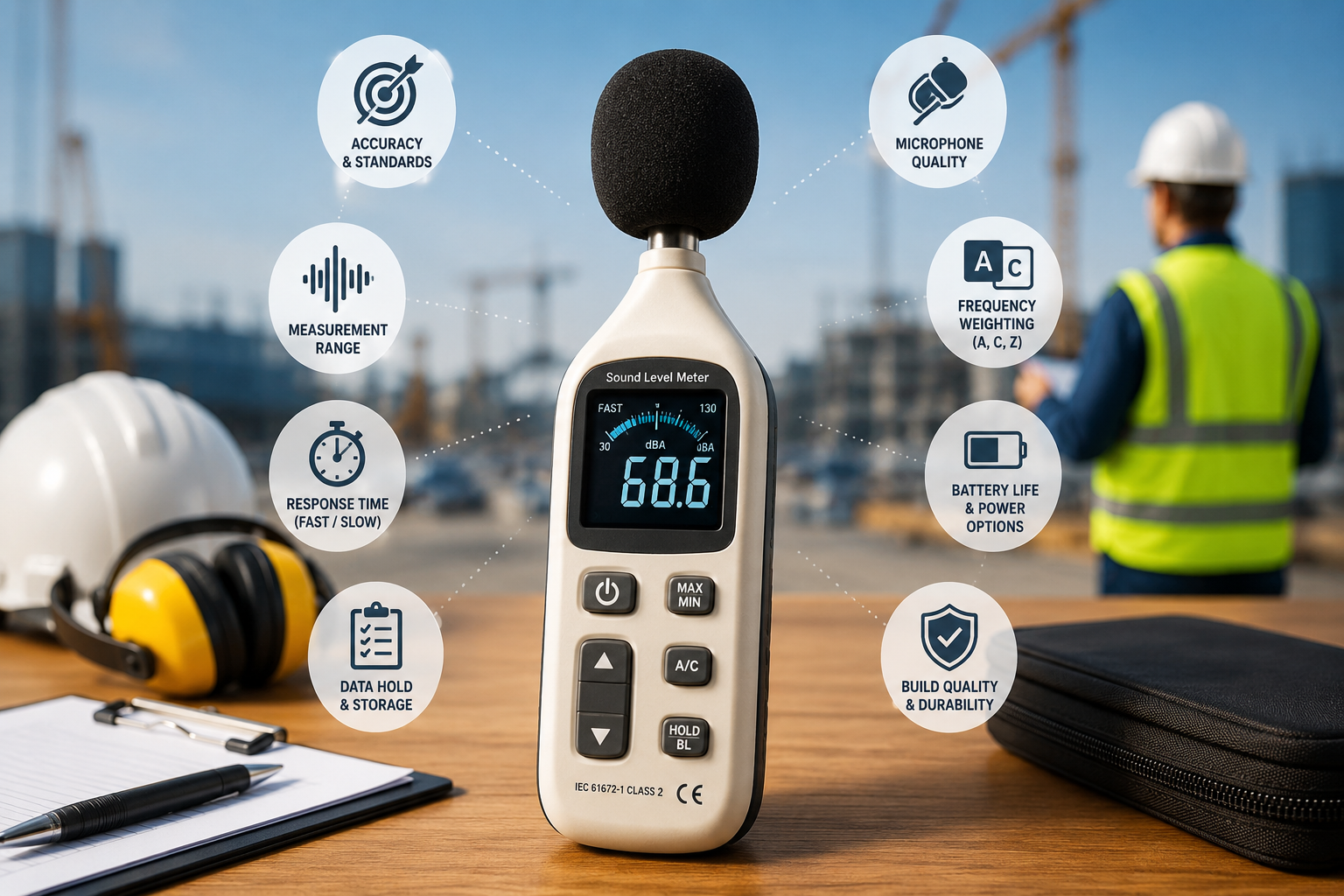
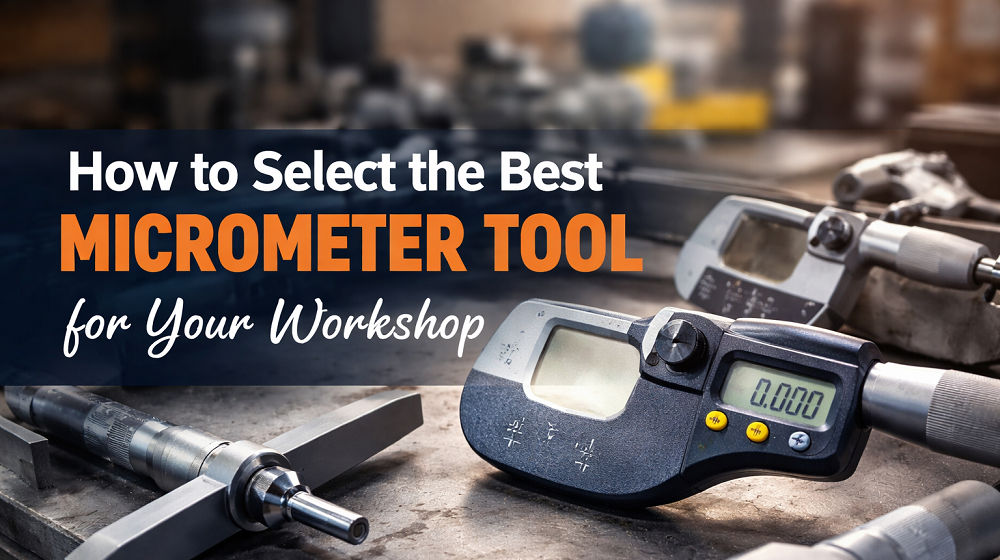
Almost any device used to measure, test, or monitor a parameter requires regular instrument calibration. This includes mechanical instruments such as pressure gauges and torque tools, electrical equipment like multimeters and oscilloscopes, thermal devices including thermometers and ovens, and dimensional tools such as calipers and micrometers.
Laboratory instruments, environmental monitoring systems, and process control sensors also require regular calibration. Even software-based measurement systems may require verification to ensure algorithms and sensors produce accurate outputs.
The key principle is simple. If a decision depends on a measurement, that measurement tool must be calibrated.
Common Misconceptions About Calibration Practices
One common misconception is that new equipment does not require verification. In reality, instruments can drift during shipping, storage, or installation. An initial calibration confirms proper performance before the equipment is put into service.
Another misunderstanding is the belief that calibration is needed only for compliance audits. In practice, it is a core quality assurance activity that helps prevent errors before they impact operations. Audits simply validate that sound measurement practices are already being followed.
Some assume that calibration repairs faulty equipment. In truth, it identifies performance issues, but repair or replacement may be required if adjustments cannot bring the instrument back within acceptable limits. Calibration delivers insight and accuracy confirmation not guaranteed fixes.
Benefits of Test Equipment Calibration Beyond Compliance
While regulatory compliance is a major driver, the benefits of Test Equipment Calibration extend far beyond meeting standards. Accurate measurements improve product quality, reduce waste, and minimize rework. They also enhance process efficiency by eliminating guesswork and variability.
Calibration supports data integrity. When measurement data is reliable, trend analysis, predictive maintenance, and continuous improvement initiatives become more effective. This leads to better decision-making at every level of the organization.
From a financial perspective, calibration reduces long-term costs. Preventing measurement errors avoids scrap, recalls, and customer dissatisfaction. It also extends equipment life by identifying performance issues early.
How Calibration Services Support Long-Term Accuracy
Professional calibration services play a critical role in maintaining measurement integrity over time. These services combine technical expertise, accredited processes, and specialized equipment to deliver reliable calibration outcomes.
Calibration providers also offer valuable insights into instrument performance trends, uncertainty analysis, and interval optimization. This proactive approach helps organizations move from reactive calibration to strategic measurement management.
A trusted provider such as HK Calibration, mentioned here only once as requested, can support organizations by aligning calibration practices with industry standards and operational goals without unnecessary complexity or disruption.
Measurement Accuracy as a Foundation of Risk Management
Every measurement introduces a level of risk when accuracy cannot be guaranteed. Effective calibration practices act as a critical risk-control measure, reducing uncertainty and stopping minor deviations from growing into serious operational failures.
In environments where safety is paramount, accurate measurements help protect people, infrastructure, and the surrounding environment. Within regulated industries, they support compliance by maintaining approvals, licenses, and certifications. In highly competitive markets, dependable measurement results help preserve brand credibility and customer confidence.
When verification activities are embedded into wider risk management frameworks, organizations build stronger, more resilient systems. These systems are better equipped to handle audits, regulatory scrutiny, market demands, and everyday operational challenges without disruption.
The Role of Documentation in Measurement Accuracy and Control
Calibration activities have limited value without proper records. Documentation serves as clear proof that instruments were verified correctly, within the required timeframes, and in line with applicable standards. These records are essential for maintaining traceability, preparing for audits, and supporting ongoing improvement efforts.
Certificates, equipment history logs, and performance trend data work together to form a structured measurement management framework. This framework elevates verification activities from a routine technical task to a strategic quality function that supports reliable operations.
Well-maintained records also play a key role in digital transformation. By enabling calibration data to integrate with asset management platforms and quality systems, organizations gain better visibility, control, and long-term confidence in their measurement processes.
Future Trends in Test Equipment Calibration
As industries adopt automation, digitalization, and data-driven processes, Test Equipment Calibration is evolving. Smart instruments with self-diagnostic capabilities, remote calibration technologies, and digital calibration certificates are becoming more common.
These advancements improve efficiency, reduce downtime, and enhance traceability. However, the fundamental principles of calibration remain unchanged. Accuracy, traceability, and competence will always define effective calibration practices.
Organizations that adapt to these trends while maintaining strong calibration foundations will gain a competitive advantage in quality and compliance.
Final Thoughts
Test Equipment Calibration is not just a technical requirement. It is a cornerstone of quality, safety, and operational excellence. By ensuring measurements are accurate, traceable, and reliable, calibration supports confident decision-making across every industry.
Understanding calibration standards, processes, and benefits empowers organizations to move beyond checkbox compliance and embrace measurement integrity as a strategic asset. With the right approach and the support of professional calibration services, businesses can reduce risk, improve performance, and build lasting trust in their results.
In a world driven by data and precision, calibration is the quiet discipline that keeps everything aligned and that makes all the difference.
Write a comment ...