
Sound levels could influence safety, production efficiency, and well-being in many sectors, not to mention the requirement to adhere to legislation. It doesn't matter whether you are involved in manufacturing, construction, environmental assessment, education, or audiology; selection of an appropriate sound db meter is crucial for you. Such an instrument assists in measuring noise levels, monitoring your work environment, and observing proper safety regulations.
There is a great choice on the market today, from affordable digital sound level meters up to more expensive and advanced professional models. While one may opt for a cheap digital sound level meter, another would have to purchase a professional instrument for their work in industry and environmental assessment. Knowledge of the features plays a significant role in selecting a sound db meter.
What Is a Sound dB Meter and Why Is It Important?
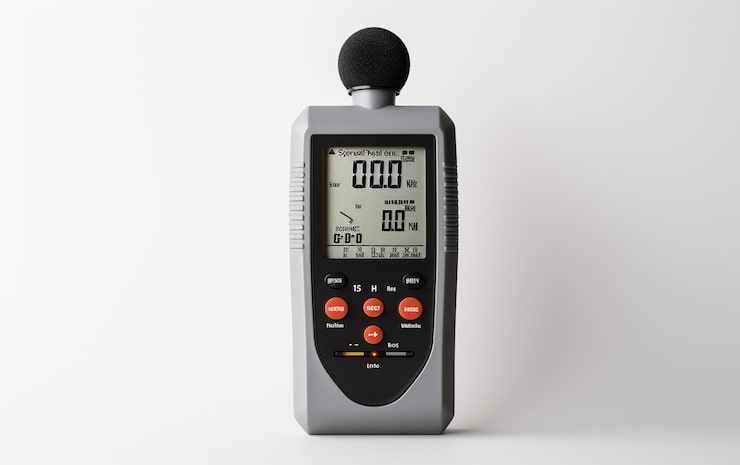
A sound db meter is an instrument used to determine the measurement of the pressure levels of sound in units of decibels (dB). This apparatus is capable of detecting sound waves using a highly sensitive microphone that converts sound waves to decibel units. A professional sound level meter is useful in determining whether noise is safe or harmful.
Digital sound level meters are often found in factories, office premises, schools, airports, hospitals, entertainment areas, and even at home. Most industries have a need for sound level meters to ensure the safety of their workers as well as to adhere to noise laws.
In the absence of a sound level meter, it becomes hard to detect excessive noise.
Why Accuracy Should Be Your First Priority
Accuracy is another important criterion to consider when selecting a sound db meter. Errors in reading can result in severe problems, particularly in industries where noise limits are defined.
The use of a quality digital sound level meter will ensure accurate readings and thus enable business operators to comply with workplace safety standards. The professionals tend to choose a sound level meter certified by IEC 61672 or ANSI standards since such devices offer reliable measurements.
Sound meters that belong to Class 1 are the most accurate and commonly used for tests in laboratory and environmental conditions. Class 2 models of sound db meter are more popular among those who need general-purpose devices.
In case you have to work with reports, environmental analysis, or inspections, using an accurate digital sound level meter becomes crucial.
Should You Buy a Basic or Professional Sound Level Meter?
Not all individuals will require the same kind of sound db meter. There will be people who will only use a basic meter for checking sounds, while there will be others who will need something more sophisticated.
The standard sound level meter will serve well for individuals who are using it at home or within the confines of their class or office work station for general measurement purposes.
Professionals, on the other hand, can do with a better version of digital sound level meters, which include additional features like recording data and analysis of frequencies. Environmental scientists, engineers, or even workplace safety officers will require the advanced version of sound db meters.
The appropriate type of sound level meter must be chosen based on individual needs.
Why Measurement Range Matters
Various environments will produce varying degrees of sound. There are definitely fewer noises produced by an office than on a factory floor or a construction site. This is the reason why the measuring range of a sound db meter plays a significant role.
An advanced sound level meter can measure the various sounds produced in a particular environment, ranging from 30 dB to 130 dB or more. In case you work with machinery or other industrial tools that produce high levels of sound, your sound level meter should have this capacity to detect.
Otherwise, using a sound db meter with a limited range may affect the performance of the tool. But purchasing an expensive device just because you need to do a simple job will lead you to overspend.
Understanding Frequency Weighting in a Sound dB Meter
Another aspect that is worth considering when purchasing a sound db meter is frequency weighting. Human ears do not have equal sensitivity to all frequencies. Therefore, professional meters use frequency weightings to improve measurements.
Most professional sound level meters offer A and C weightings. The most frequently applied weighting is the A one since it corresponds to the way the human ear reacts to normal sound levels. It is generally used to measure workplace and environmental noise.
The C weighting covers a more comprehensive spectrum of frequencies and is usually applied to measure higher sound levels or noise created by low-frequency noise generators.
One should opt for an effective digital sound level meter offering several frequency weightings to apply to various fields.
Why Data Logging Can Be Extremely Useful
Not all users require immediate measurement readings only. In professional settings, constant measuring might be required. In such a case, data logging becomes an important part of the process.
With data logging ability, the digital sound level meter provides continuous recording of measurements. The option comes in handy for monitoring sound in working conditions, for research purposes, and for compliance reasons.
For instance, a safety officer can use a digital sound db meter to measure the level of sound exposure during an entire working day. Environmental consultants may employ a sound level meter when conducting overnight monitoring in residential or transportation areas.
With no data logging capability, users should manually note the measurements taken, which entails the possibility of mistakes being made.
How Portability Affects Daily Use
There is no doubt that the type of working environment will influence the choice of sound db meter the most.
For field technicians, construction inspectors, and engineers, a small and portable sound level meter to be able to carry from one place to another would definitely be required. A small device becomes very convenient when conducting on-site testing projects.
On other occasions, some people may require a large and digital sound level meter with high battery power and good display features for stationary measuring purposes.
A tough and portable sound db meter would make daily work more effective for field specialists.
Why Calibration Is So Important
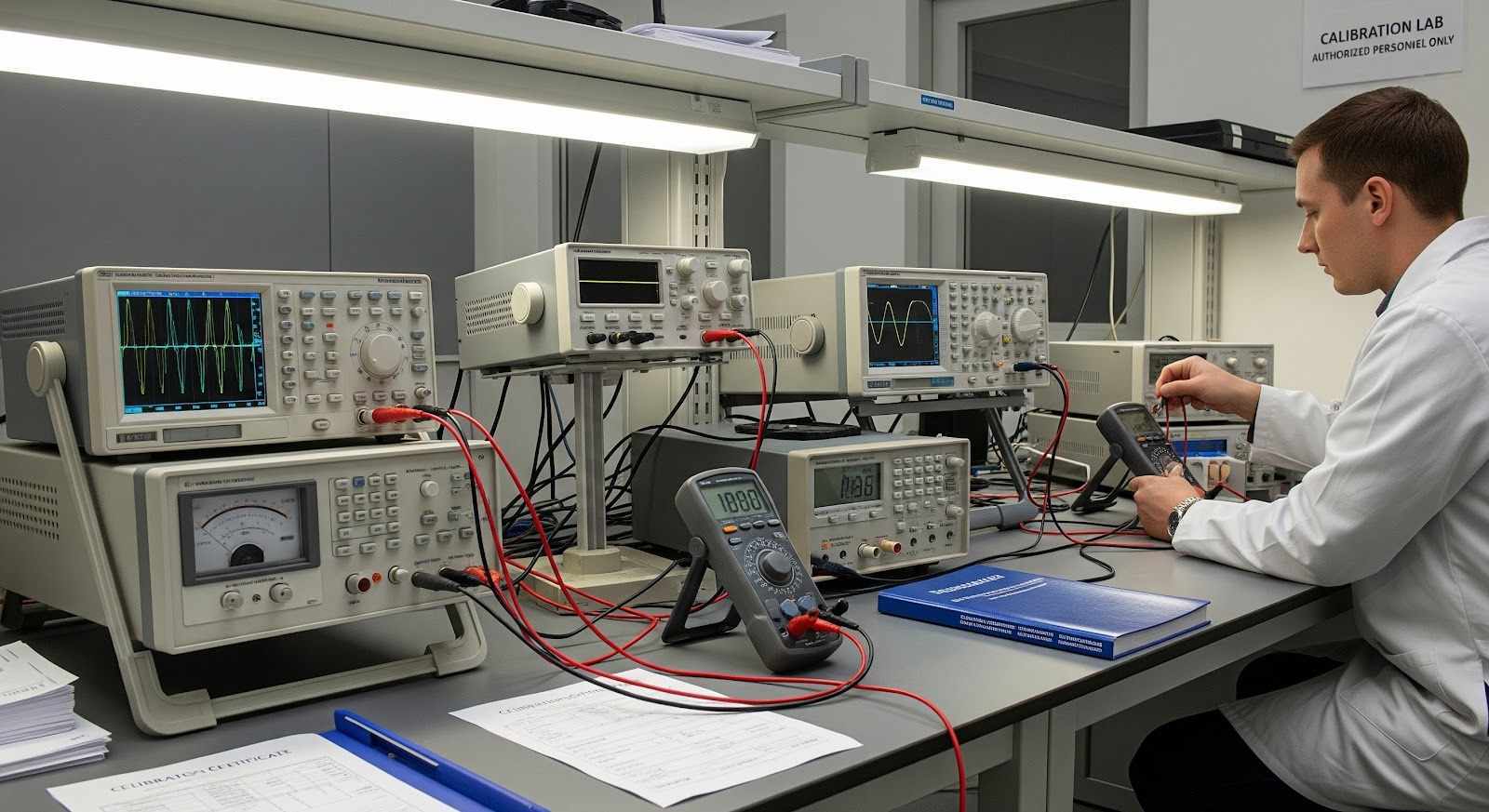
Calibration is essential when it comes to sustaining accuracy over time in sound level meters. Even good quality devices may experience some slight differences in measurements based on certain factors, like environmental changes, the age of the device, or simply usage.
A calibrated sound level meter helps achieve reliable and accurate measurements. Many industries demand that their devices be calibrated as an important part of the process.
Field calibration is sometimes possible in many digital sound level meters, but not always. It’s necessary to be aware of this feature when choosing a new sound level meter.
For example, providers such as HK Calibrations showcase why long-term calibration and sustained accuracy are essential in sound level measuring applications.
Why Display Quality and Ease of Use Matter
However, an advanced sound db meter would be useless if it cannot be used easily. It is important to factor in usability when purchasing any product.
In general, an advanced sound level meter should feature good visibility on its screen, along with easy-to-use controls and easy-to-read meters. The inclusion of a backlit screen and a large number display can greatly enhance visibility.
More advanced sound level meters are even fitted with touch screens and graphic displays. Others come with smartphone technology as well.
Durability and Battery Performance Are Essential
Many consumers concentrate more on specifications than on durability and battery power. Yet, the latter plays an essential role in determining how functional the meter will be.
For instance, a reliable level meter that can be used outdoors or in an industrial setting needs to be able to withstand dust and vibrations as well as transportation. This adds years to its life.
Moreover, one of the most critical characteristics of a digital level meter is battery power since it allows it to work without any interruptions for longer.
Selecting a durable meter is a guarantee of fewer troubles in the future.
Should Your Sound dB Meter Meet Industry Standards?
Industry compliance is yet another essential aspect to consider when choosing an effective db meter. Professional users are advised to ensure that the meter conforms to accepted international standards at all times.
A db meter that conforms to accepted industry standards ensures that you get reliable measurement accuracy and readings. Industries like manufacturing, construction, aviation, and environmental consultancy may have requirements for certified meters during inspections and other audits.
Using a standards-conformant digital sound level meter will ensure that businesses do not encounter any problems associated with regulations.
It is even prudent to consider purchasing a standards-conformant db meter because your requirements might increase in the future.
Final Thoughts
Choosing the best sound db meter is something that needs to be done, taking into account a number of key factors. Some of these include accuracy, range of measurements, frequency weightings, data logging, calibration, durability, portability, and compliance with industry regulations.
A great digital sound level meter should be selected based on the purpose for which it will be used. There can be no one-size-fits-all here, because different people have different reasons for acquiring a digital sound level meter.
By carefully considering what is needed, it becomes possible to acquire a sound db meter that meets your needs. This will guarantee better results when measuring sound levels.
In today's world, it has become increasingly important for professionals to use sound level meters. They can help ensure safer workplaces.

Write a comment ...